

Article Summary: This article explains how a pneumatic actuator manufacturer can support the growing demand for automated valve systems across international industrial markets. It introduces FENGDU Technology's manufacturing background, pneumatic valve product range, application capabilities, production approach, actuator and valve matching considerations, quality requirements, and cooperation options for distributors and international buyers. The article also explains why pneumatic actuators are widely used for industrial flow control and what buyers should consider when selecting a pneumatic valve manufacturer in China.
As industrial automation continues to expand across manufacturing, food processing, pharmaceutical production, chemical processing, water treatment and other industries, reliable valve automation has become increasingly important. Pneumatic actuators provide a practical way to automate valve opening, closing and switching operations using compressed air.
For valve distributors, engineering companies and industrial equipment manufacturers, choosing the right pneumatic actuator manufacturer is not simply about finding a low-cost product. Buyers also need to consider actuator and valve compatibility, operating conditions, materials, air quality, torque requirements, product consistency, production capability and long-term supply support.
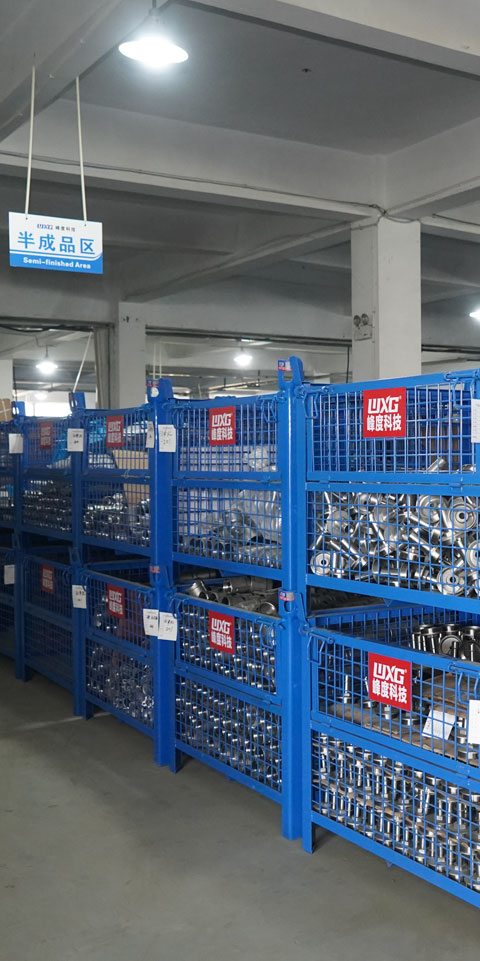
Based in Longwan, Wenzhou, Zhejiang, China, Zhejiang Fengdu Technology Co., Ltd. is a fluid control company specializing in Pneumatic angle seat valves and automatic control equipment. Founded in 2020, the company combines a young and flexible organization with production experience in the fluid control field and the industrial supply-chain advantages of Wenzhou's valve manufacturing cluster.
Zhejiang Fengdu Technology Co., Ltd. focuses on the development, production and sales of fluid control products and pneumatic valve solutions. The company was established in 2020 and is located in Longwan, Wenzhou, one of China's important valve manufacturing areas.
The location provides access to a mature industrial supply chain covering valve components, machining, casting, stainless steel processing, sealing components, pneumatic parts and related manufacturing services. This industrial environment allows Fengdu Technology to respond flexibly to different customer requirements and develop valve solutions for different operating conditions.
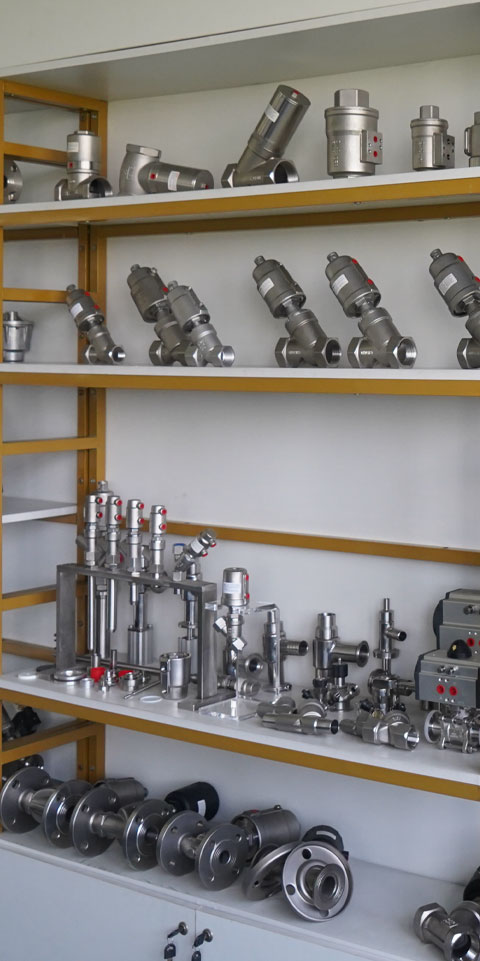
The company's main product portfolio includes pneumatic angle seat valves, diaphragm valves, pneumatic ball valves, pneumatic directional valves, pneumatic sanitary ball valves, sampling valves and sanitary butterfly valves, together with related pneumatic valve automation solutions.
Rather than focusing on a single valve model, the company aims to provide customers with a broader range of fluid control products. This approach can be useful for distributors and equipment manufacturers that need multiple valve types from one manufacturing partner.
A pneumatic actuator converts compressed-air energy into mechanical movement. Depending on the actuator and valve design, the resulting movement can be used to rotate or move a valve to control the flow of liquids, gases, steam or other compatible media.
In industrial environments, manual valves can become inefficient when a system contains many valves or requires frequent opening and closing. Pneumatic actuation allows the valve to be integrated into an automated control system.
A typical automated valve system may include a valve body, pneumatic actuator, solenoid valve, air preparation components, position feedback devices and a control system. The exact configuration depends on the application.
For quarter-turn valves such as ball valves and butterfly valves, pneumatic rotary actuators are commonly used. The actuator produces rotational torque that turns the valve stem between open and closed positions.
For industrial valve projects, the connection between the actuator and valve is also important. ISO 5211:2026 specifies requirements related to the attachment of part-turn actuators to industrial valves, including flange dimensions, driving component dimensions and reference torque values for specified interfaces. Source: ISO 5211:2026, International Organization for Standardization.
| Selection Factor | Why It Matters | Typical Application Consideration |
|---|---|---|
| Valve Type | Determines actuator movement and connection method | Ball valve, butterfly valve, angle seat valve or other automated valve |
| Required Torque | Determines actuator size | Valve opening, closing and operating resistance |
| Air Pressure | Influences available actuator output | Compressed-air supply and system pressure |
| Operating Temperature | Affects seals and materials | Normal or elevated-temperature processes |
| Media | Influences valve material and sealing selection | Water, gas, steam, chemicals or process fluids |
| Cycle Frequency | Influences service requirements | Occasional, frequent or continuous automation |
Source: Selection factors summarized from industrial valve and actuator engineering practice. Interface requirements should be verified against the applicable valve and actuator specifications, including ISO 5211:2026 where applicable.
As international customers increasingly request complete valve automation solutions, a pneumatic valve manufacturer needs to provide more than individual components.
For example, a customer purchasing an automated ball valve may need the valve body, pneumatic actuator, solenoid valve, mounting components and accessories to work together as one system.
This is one reason Fengdu Technology is developing its product range around multiple categories of pneumatic and automated valves. The company's portfolio includes pneumatic angle seat valves, pneumatic ball valves, pneumatic directional valves, diaphragm valves, sanitary ball valves, sampling valves and sanitary butterfly valves.
The broader product range allows customers to select different valve structures depending on the process requirements.
Pneumatic angle seat valves are designed for automated control of compatible fluids and gases. They can be used in industrial systems where fast pneumatic actuation and reliable shutoff are required.
Angle seat valves are particularly relevant to applications involving water, steam, neutral gases and certain compatible liquids. Actual material and seal selection should always be determined according to the medium, temperature and pressure of the application.
Pneumatic ball valves combine the shutoff characteristics of ball valves with pneumatic automation. They are commonly considered when an application requires automated quarter-turn operation.
Depending on the design, a pneumatic ball valve can be configured for different control functions, including simple on/off control or more advanced automated processes.
Diaphragm valves use a flexible diaphragm to control flow. They are frequently considered in applications where cleanability, isolation and compatibility with process media are important.
The appropriate diaphragm material should be selected according to the medium, temperature and chemical conditions.
Pneumatic directional valves can be used to control the direction or switching state of fluid flow within a process system. They can form part of automated equipment where controlled switching is required.
Sanitary ball valves, sanitary butterfly valves and related products are particularly relevant to industries such as food, beverage and pharmaceutical processing, where hygienic process design is an important consideration.
International buyers often use terms such as pneumatic actuator, pneumatic actuator valve, air actuated valve, pneumatic valve actuator and pneumatic actuated valve when searching for automated valve solutions.
Although these terms are closely related, they may represent different purchasing requirements.
A pneumatic actuator is the driving component. A pneumatic actuated valve normally refers to a valve equipped with pneumatic actuation. A complete air actuated valve assembly may include the valve, actuator and control accessories.
| Product Category | Main Function | Typical Automation Movement | Potential Application |
|---|---|---|---|
| Pneumatic Angle Seat Valve | Fluid shutoff and control | Linear valve movement | Water, steam, gas and industrial processes |
| Pneumatic Ball Valve | On/off flow control | Quarter-turn rotation | Water, gas, chemical and process systems |
| Pneumatic Butterfly Valve | Flow isolation and control | Quarter-turn rotation | Water treatment and industrial piping |
| Diaphragm Valve | Flow isolation and process control | Linear diaphragm movement | Food, pharmaceutical and process systems |
| Sanitary Ball Valve | Hygienic fluid control | Quarter-turn rotation | Food and beverage processing |
| Directional Valve | Flow switching | Directional switching | Automated equipment and fluid systems |
Source: Product functions are general engineering descriptions. Actual operating parameters depend on individual valve and actuator models and should be confirmed from the manufacturer's technical documentation.
One of the most important aspects of an automated valve system is matching the actuator to the valve.
An actuator that is too small may not generate sufficient torque or force to operate the valve reliably. An actuator that is significantly oversized can increase system cost and may not provide an efficient solution.
For this reason, actuator selection should consider the valve's operating torque or force, the available air pressure, safety margin, operating temperature and cycle requirements.
For quarter-turn valves, the actuator output torque should be compared with the valve's required torque under actual operating conditions.
Connection compatibility is another important consideration. ISO 5211:2026 covers the attachment of part-turn actuators to industrial valves and defines relevant interface dimensions and driving components. This provides an internationally recognized reference for compatible actuator-to-valve interfaces. Source: ISO 5211:2026.
Because pneumatic actuators depend on compressed air, the quality of the air supply can influence the reliability of the overall system.
Compressed air may contain particles, water and oil. If these contaminants are not properly managed, they can affect pneumatic components, seals and control equipment.
ISO 8573-1:2010 defines purity classes for compressed air based on contaminants including particles, water and oil. The standard remains a key reference for compressed-air purity classification. Source: ISO 8573-1:2010, International Organization for Standardization.
| Compressed Air Factor | Potential Effect on Pneumatic Equipment | Recommended Consideration |
|---|---|---|
| Solid Particles | May contribute to wear or contamination | Use appropriate filtration |
| Water | May affect internal components and seals | Control moisture and condensation |
| Oil | May affect components depending on material and system design | Confirm required air quality with equipment specifications |
| Air Pressure Stability | May influence actuator output | Maintain an appropriate operating pressure |
Source: ISO 8573-1:2010 provides the classification framework for particles, water and oil in compressed air. Specific air-quality requirements should be determined according to the complete pneumatic system.
Fengdu Technology's pneumatic valve products are designed for a range of industrial fluid-control applications.
The company serves application areas including beer production, beverage processing, textile manufacturing, dyeing, bleaching, pharmaceutical equipment, food processing, rubber machinery, organic and inorganic chemical processing, cleaning and sterilization systems, water treatment, nitrogen generation and oxygen generation.
Different industries have different requirements. A valve used for water treatment may have significantly different material and sealing requirements from a valve used in a food-processing or chemical environment.
Food and beverage production often requires reliable automated flow control and hygienic equipment design. Pneumatic sanitary valves can be considered for automated process lines where cleaning and process compatibility are important.
Pharmaceutical production requires careful consideration of materials, cleanliness, process conditions and equipment design. Sanitary valve configurations can be integrated into suitable automated fluid-control systems according to the specific process requirements.
Chemical applications require detailed consideration of the compatibility between the valve body, seals and process medium. Pressure, temperature and corrosion characteristics should be evaluated before selecting a valve.
Water treatment systems often contain numerous valves that must be operated repeatedly or integrated with automatic control systems. Pneumatic actuated valves can provide an efficient approach to centralized or automated flow control.
Textile, dyeing and bleaching processes may require automated control of water, chemicals, steam and other process media. The valve selection should reflect the specific chemical and thermal conditions of the process.
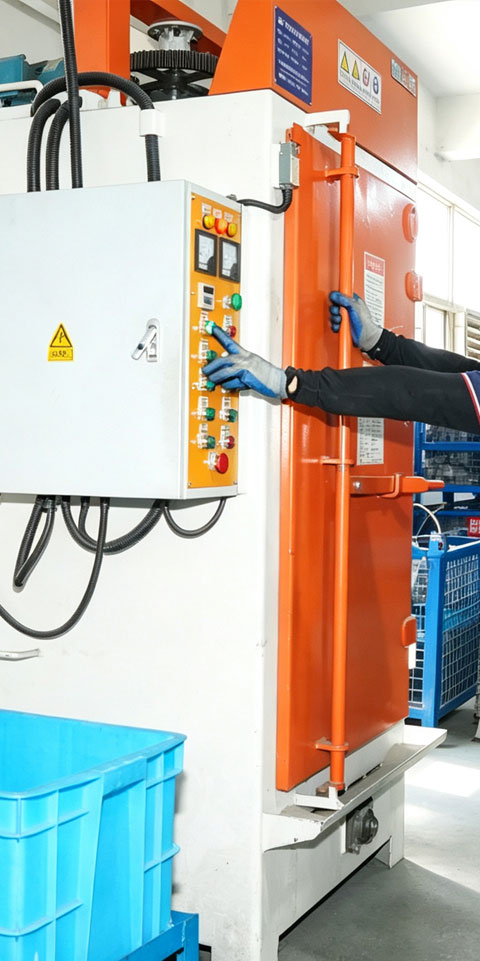
For a growing pneumatic actuator and valve manufacturer, production capacity is not simply measured by the number of products produced. It also includes the ability to maintain consistent specifications, manage different product models and respond to customer-specific requirements.
Fengdu Technology is located in Longwan, Wenzhou, giving the company access to a mature valve manufacturing ecosystem. This provides an important foundation for sourcing components, coordinating manufacturing processes and developing customized fluid-control solutions.
The company's current development strategy focuses on expanding its product capabilities while serving customers in domestic and international markets.
For overseas distributors, this flexibility can be particularly valuable. A distributor may require several valve types rather than a single product. For example, the same customer may purchase pneumatic ball valves for one application, sanitary butterfly valves for another and pneumatic angle seat valves for a steam or water system.
A manufacturer capable of supporting multiple product categories can potentially reduce purchasing complexity and provide a more consistent supply relationship.
Price is only one factor when selecting a pneumatic actuator manufacturer. For long-term industrial purchasing, buyers should evaluate several areas.
Look for a supplier with practical experience in valves, pneumatic components and fluid-control applications rather than simply a trading company listing multiple products.
A broader product portfolio can make it easier to source related valves and automation components from the same supplier.
The supplier should be able to provide product specifications, dimensional information, material details and application recommendations where appropriate.
The actuator should be correctly matched with the valve's torque, connection dimensions and operating conditions. For relevant part-turn applications, buyers may also need to consider standardized interfaces such as ISO 5211.
Consistent production and inspection procedures are essential when products are supplied to international markets.
International distributors may require packaging, labeling, documentation and communication support suitable for overseas markets. These requirements should be discussed before placing an order.
| Buyer Evaluation Area | Questions to Ask the Manufacturer | Why It Matters |
|---|---|---|
| Product Capability | What pneumatic valves and actuators can you manufacture? | Determines whether the supplier can support multiple projects |
| Technical Data | Can you provide drawings and specifications? | Supports engineering evaluation |
| Valve Matching | How is the actuator matched to the valve? | Helps prevent incorrect actuator sizing |
| Materials | Which body and sealing materials are available? | Important for media compatibility |
| Production | Can you support repeat orders? | Important for distributors and OEM customers |
| Export Support | Can you support international distributors? | Helps establish long-term cooperation |
Fengdu Technology is currently expanding its international cooperation network and welcomes different forms of channel partnership.
The company can cooperate with regional distributors, foreign trade agents, online distributors and other industrial valve partners.
For a regional distributor, the key requirement may be stable product supply and competitive pricing. For an engineering company, technical specifications and product matching may be more important. For an online industrial equipment seller, product information, images, documentation and reliable order fulfillment can be essential.
This flexible cooperation model allows different partners to develop their own markets while working with a Chinese manufacturer specializing in fluid control products.
Longwan, Wenzhou is widely recognized as an important valve manufacturing area in China. The regional industrial ecosystem provides access to suppliers, machining services, components and supporting manufacturing capabilities.
For an international buyer, working with a manufacturer located within a mature industrial cluster can provide supply-chain advantages, particularly when multiple valve components or customized products are required.
However, geographical location alone does not determine product quality. Buyers should still evaluate the manufacturer's technical capability, product specifications, quality-control processes, communication and ability to support repeat orders.
The industrial valve market is gradually moving toward more integrated automation solutions. Customers increasingly expect suppliers to understand not only the valve itself but also how the valve operates within the complete process system.
This creates an opportunity for pneumatic actuator manufacturers and valve manufacturers to provide more comprehensive solutions.
For example, instead of purchasing a Manual ball valve and sourcing an actuator separately, an industrial buyer may prefer a complete ball valve with pneumatic actuator that has already been matched and assembled.
This type of integrated solution can simplify purchasing, installation and project management.
For Fengdu Technology, the long-term objective is to continue developing pneumatic valve products and related automation solutions while supporting customers across different industrial applications.
International valve applications require attention to dimensions, interfaces, materials and operating conditions.
Standardization can help improve compatibility between valves, actuators and related components. ISO 5211:2026, for example, provides requirements for part-turn actuator attachments to industrial valves and defines relevant interface dimensions and driving components. Source: ISO 5211:2026.
Compressed-air quality is another consideration for pneumatic systems. ISO 8573-1 establishes a classification system for compressed-air contaminants, including particles, water and oil. Source: ISO 8573-1:2010.
These standards do not replace product-specific engineering specifications. Instead, they provide useful references when designing, selecting and evaluating industrial pneumatic systems.
For a manufacturer serving international markets, continuous improvement should therefore involve both product development and manufacturing management.
A successful industrial valve supplier relationship is normally built over time.
For an overseas distributor, the ideal supplier should be able to provide consistent products, responsive communication, competitive commercial terms and sufficient technical support. For an OEM customer, engineering cooperation and customized solutions may be more important.
Fengdu Technology combines its location in Wenzhou's valve manufacturing cluster with a product portfolio focused on pneumatic and fluid-control equipment. The company is developing its international business with the goal of working with distributors, agents, equipment manufacturers and industrial customers in different markets.
Its product range covers pneumatic angle seat valves, diaphragm valves, pneumatic ball valves, pneumatic directional valves, pneumatic sanitary ball valves, sampling valves and sanitary butterfly valves, providing customers with multiple options for industrial fluid-control projects.
A pneumatic actuator manufacturer produces actuators that use compressed air to generate mechanical movement. Depending on the design, pneumatic actuators can be used with ball valves, butterfly valves, angle seat valves and other industrial valves.
Yes. A pneumatic valve assembly can combine a valve body with an actuator and, where required, accessories such as solenoid valves, position feedback devices and mounting components. The exact configuration depends on the application.
The actuator should be selected according to the ball valve's required operating torque, available air pressure, safety margin, operating conditions and connection dimensions. For relevant part-turn valve applications, actuator mounting interfaces should also be checked.
Pneumatic actuated valves can be used in water treatment, food and beverage processing, pharmaceutical equipment, chemical processing, textile and dyeing equipment, rubber machinery, cleaning systems and other automated fluid-control applications.
A manufacturer that can provide both valves and pneumatic actuation solutions may simplify sourcing and improve compatibility between components. This can be particularly useful for OEM projects, distributors and equipment manufacturers.
The demand for automated fluid-control equipment continues to create opportunities for pneumatic actuator and valve manufacturers serving international markets. A reliable pneumatic actuator is only one part of the overall solution. Successful valve automation also depends on correct valve selection, actuator sizing, connection compatibility, compressed-air quality, material selection and application requirements.
Zhejiang Fengdu Technology Co., Ltd. is building its business around pneumatic angle seat valves, pneumatic ball valves, pneumatic directional valves, diaphragm valves, sanitary valves and other fluid-control products. Located in Longwan, Wenzhou, the company benefits from the region's established valve manufacturing supply chain while continuing to develop its own production and market capabilities.
For overseas distributors, valve importers, equipment manufacturers and industrial automation companies looking for a pneumatic actuator manufacturer or pneumatic valve supplier in China, Fengdu Technology provides an opportunity to establish long-term cooperation across a range of fluid-control applications.
Whether the requirement involves a pneumatic ball valve, pneumatic actuated valve, pneumatic angle seat valve, sanitary valve or a customized valve automation solution, the correct approach is to begin with the actual operating conditions and then select the appropriate valve, actuator, materials and control configuration.
Zhejiang Fengdu Technology Co., Ltd. welcomes cooperation with regional distributors, foreign trade agents, online distributors, OEM customers and industrial valve partners worldwide.
Sales Hotline: +86 15057336363
Email: 1625959864@qq.com
Address:No. 609, Binhai 12th Road, Wenzhou
Technology Development Zone, Wenzhou City


Этот веб-сайт использует файлы cookie, чтобы обеспечить вам максимально эффективное использование нашего веб-сайта.

 English
 Español
 Français
 Deutsch
 日本語
日本語 한국어
한국어 العربية
 Italiano
 Nederlands



 WhatsApp
 телефон
Комментарий
(0)